
Paper Model Building Tips - English
Welcome to PaperLandmarks |

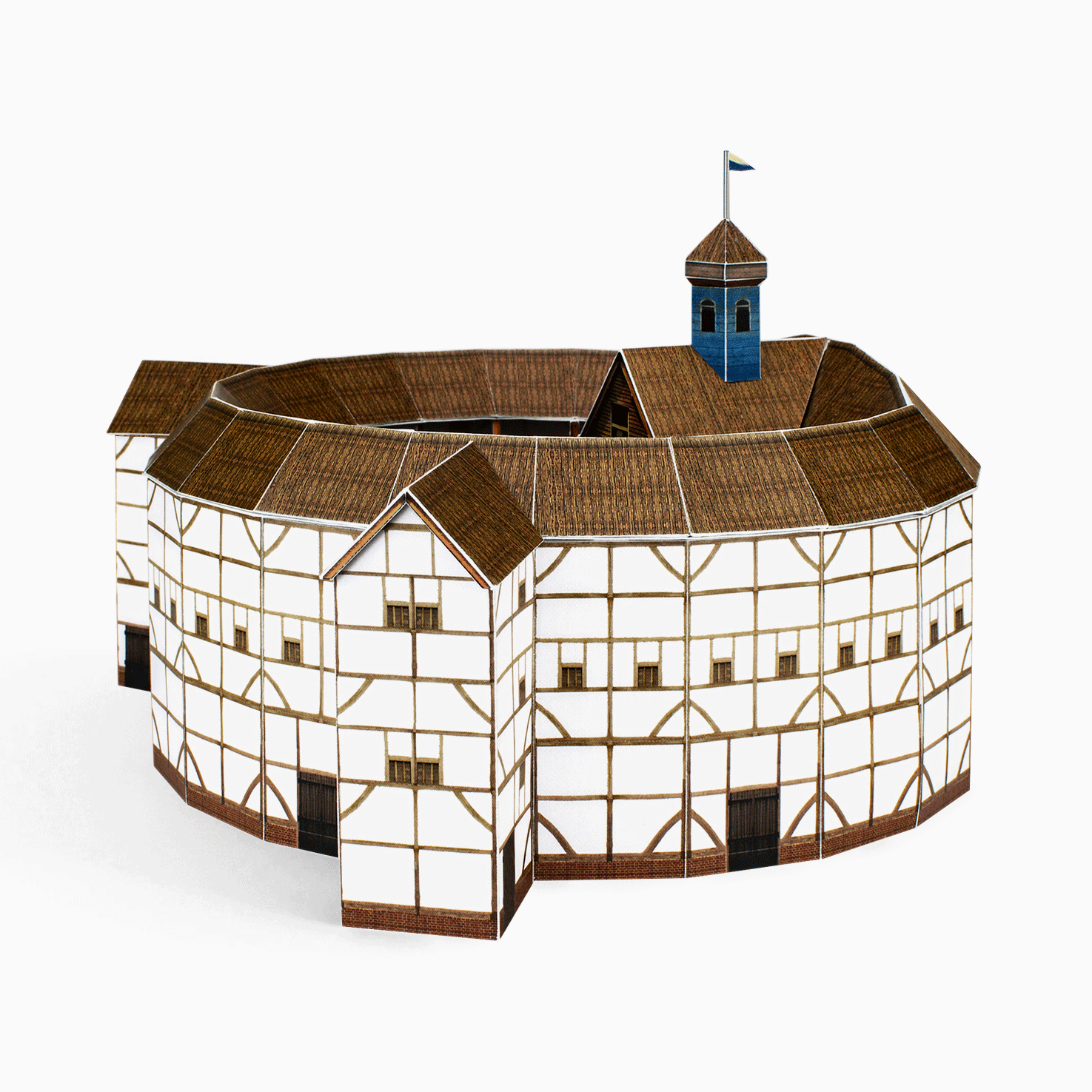
PaperLandmarks are paper models of world famous architecture which you can build yourself. Choose our kits from beginner to advanced level, from temples to bridges to skyscrapers, just in time for a school project, your own crafty time or a nice mindful gift. What makes PaperLandmarks to stand out is our intention to stick to the original structure as close as possible, but at the same time to look at each model as a unique piece of design leaving enough room for an imagination and creative model building. We try to strike a perfect balance between scale, level of detail, quality of paper and the ease of assembly so the model building process is both enjoyable and fruitful. Within our collection you will find paper model kits for different levels of mastery. As a general rule, we recommend these kits for anyone from age 14 as the model building requires patience, advanced motor skills and ability to read assembly diagrams and instructions but we know that there are some younger modelers who have done a great job being supported by their families or teachers. There are two types of PaperLandmarks kits: Printed Model KitsThis model comes unassembled, delivered flat-packed in a large project envelope. What's inside? Sturdy A4 size paper worksheets with the artwork, cutting and scoring lines printed on. You will need to cut, score, fold and glue the parts in order to assemble the model according to the set-up instructions which come with the kit. Things which are not included, but you'll need in order to assemble the model: time & patience, a hobby knife, a ruler, a cutting mat or hard surface to work on, white glue (PVA), a creasing tool. Some other things might be helpful: a pointed stylus, tweezers and scissors. See what tools we recommend.  Pre-cut Model KitsThis model comes unassembled, flat-packed in a large project envelope. What's inside? Sturdy A4 size paper worksheets with parts pre-cut and pre-creased. You will need to remove parts from the sheets, fold and glue them in order to assemble the model according to the set-up instructions which come with the kit. Things that are not included, but you'll need in order to assemble the model: time & patience, a hard surface to work on, white glue (PVA). Some other things might be helpful: a pointed stylus, tweezers, scissors, a hobby knife, a ruler, a cutting mat. See what tools we recommend. Pictograms you might find handy on our product pages: |


Tools We Recommend |
|
Along with our paper worksheets, you will need some tools for building a paper model:
• a small container for glue
Paper Modelling Tips |

|
Before starting, carefully look through all the paper worksheets, the set-up instructions and the assembling diagrams included with your kit. If you are new to paper modelling be mindful, proceed slowly and carefully - your speed will improve with practice. Remember to enjoy the process while achieving your best result! Scoring |
|
Scoring creates a line in the paper that guides a fold, ensuring that folds are accurate with clean edges. Place the worksheet, printed side up, on a cutting mat and use your scoring tool to make these different types of lines: A half-cut line
Gently cut into the paper, following the thin line, to a depth of half the paper’s thickness. By folding both sides downwards, you will create a crisp, accurate mountain fold. A perforation line
Make small, dashed cuts through the entire depth of the paper. By folding both sides upwards, you will create a clean valley fold. A crease line
Lightly press a creasing tool into the paper following the double line - you will create mountain and valley folds that are slightly rounded. Tip: use a steel ruler as a guide for scoring and cutting long straight lines. Practice on an off-cut section of the worksheet to achieve the correct level of pressure. Cutting |


|
Cutting out the parts is the most laborious stage when constructing a paper model. Taking time and care should reward you with an eye-pleasing outcome upon completion of your project. 
 If there are any pre-cut pieces of paper still remaining in the cut-out windows, knock them out using a stylus. Tip: write the part number printed on the worksheet with a pencil on the reverse side after you have cut it out. That may help to identify this part more easily when you assemble the model. Folding |


 Place the parts on a hard surface and gently fold along the scored lines up to a 90-degree angle. Gluing |
 Before gluing, check that the parts fit together.  Pour a small amount of glue into the gluing container and use a gluing tool to apply the glue to the paper. Try to spread the glue across the gluing surface evenly in a thin layer. Remember to use as little glue as necessary.  When gluing a part with several panes, leave the smallest tab on the inside.  When gluing a part with small triangular tabs, cover them with glue and leave on the inside.  Use tweezers to fix tiny parts in place. Tip: fold and glue each part separately, then connect them together into a complete model.
Let's be in touch! |
We are always happy to hear from you - either you have any questions, suggestions or a feedback.
Which landmark we should design next?
- Choosing a selection results in a full page refresh.
- Opens in a new window.